Representative
Collect from the approved point that best represents the fluid or system being assessed.
Chem-Tech technical resource
Reliable laboratory results begin with a representative sample. Select the relevant testing category to understand the preparation, identification and dispatch requirements that should be confirmed before collection.
Sampling quality
A result can only describe the material present in the bottle. Consistent sampling location, clean equipment, correct identification and prompt secure dispatch help the laboratory distinguish actual fluid condition from sampling interference.
Collect from the approved point that best represents the fluid or system being assessed.
Protect the bottle, cap, tubing and sampling point from dirt, water and other products.
Connect the bottle to the correct asset, product, batch, date and customer submission.
Seal, protect and pack the bottle according to the Chem-Tech sample dispatch procedure.
Guidance by testing category
Choose a category to review the collection method, container, timing, quantity guidance and practical controls relevant to that sample.
Lubricants & Fluids
Collect from a live zone of the identified asset. Use the same marked point and comparable operating condition for every trend sample.
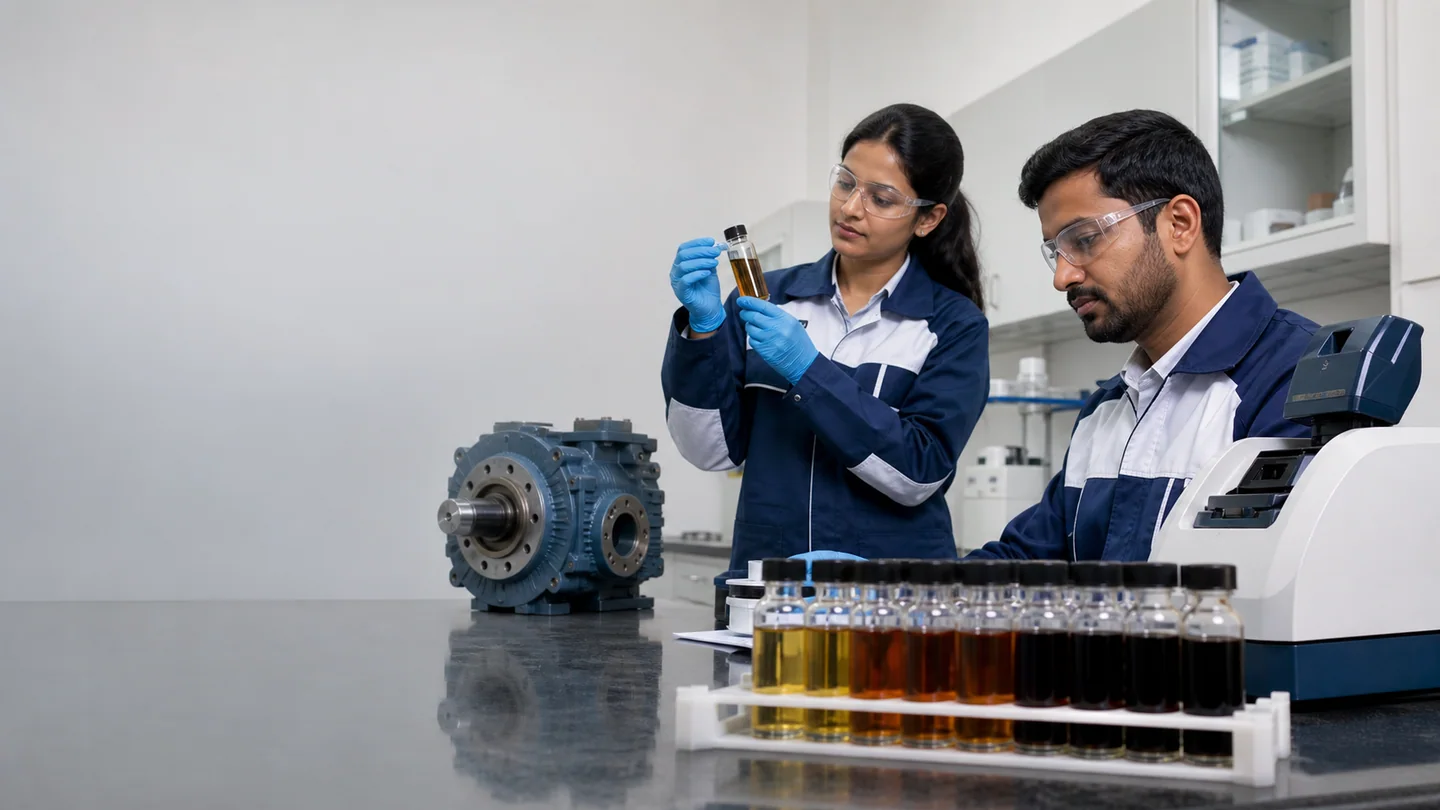
Preferred: use a dedicated valve on a turbulent return line, upstream of filters. If no valve exists, use a clean vacuum pump and new tubing through an approved dipstick or fill opening. Keep the tube above the sump floor and away from stagnant corners.
Use a clean Chem-Tech sample bottle kept capped until collection. Use fresh tubing for every asset and prevent the bottle, cap and tubing ends from touching contaminated surfaces.
Sample at normal operating temperature and load, or as soon as safely possible after shutdown. Take the sample before oil changes, top-ups or filtration work.
Use the Chem-Tech bottle confirmed for the test package. Leave the viscosity-based headspace shown below.
Oil bottle fill level
Collection workflow
Pre-label the bottle with asset ID, oil grade, oil hours, machine hours, date and sampling point.
Run the equipment to its normal operating condition; identify and clean the approved sampling point.
Purge the valve or sampling line into a waste container until stagnant oil and external debris are cleared.
Without stopping the flow, collect without touching the bottle mouth or cap interior.
Fill only to the viscosity-based level, cap immediately and wipe the outside clean.
Record top-ups, oil changes, filtration and symptoms; pack upright for prompt dispatch.
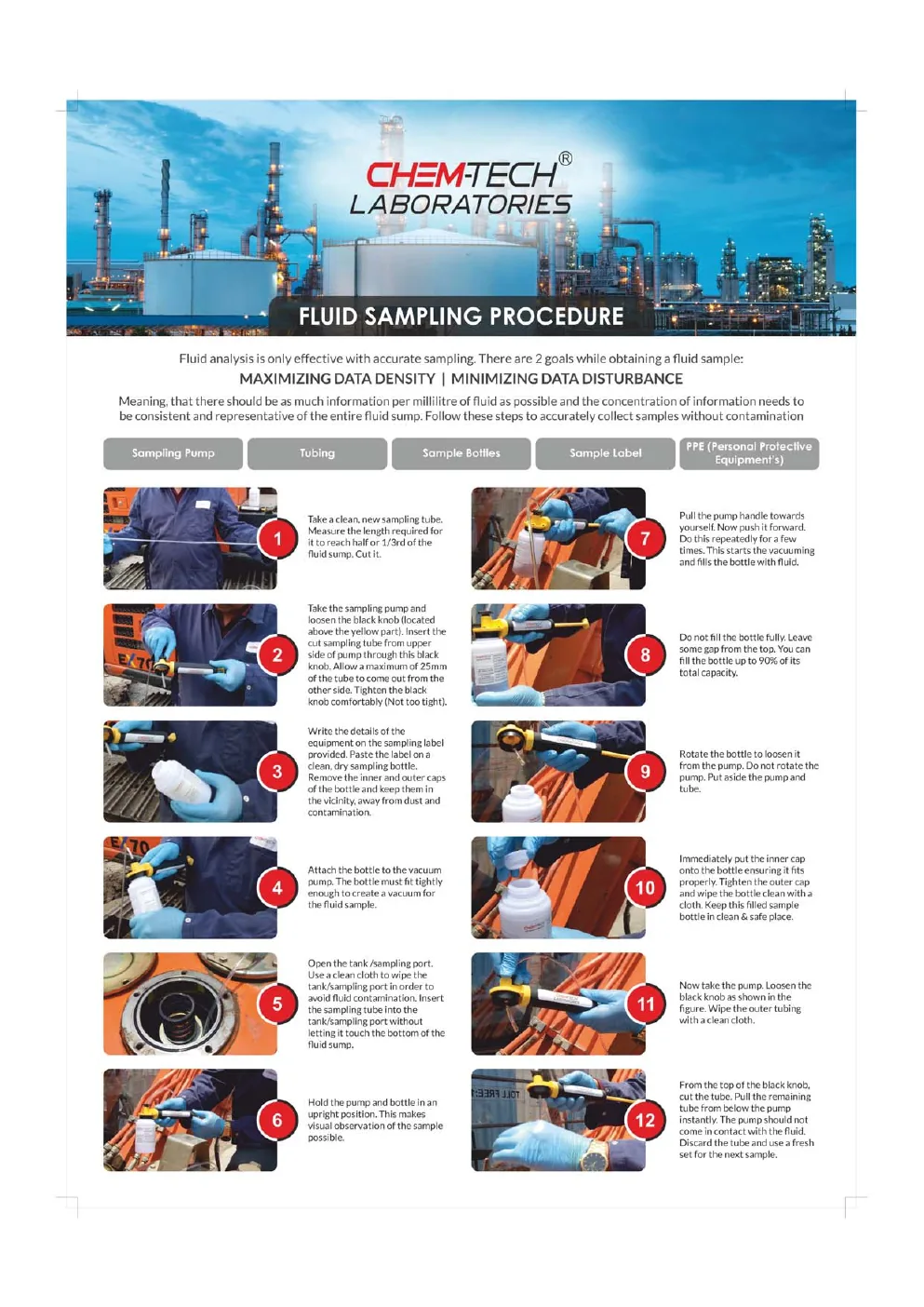
Approved oil-sampling procedure
Chem-Tech's dipstick-pump procedure collects oil through a fill port or dipstick opening while protecting the bottle and sample from avoidable contamination. Use this method only where it is safe and appropriate for the equipment.
Use clean, new sampling tubing and measure only the length required to reach the selected sampling depth.
Fit the tubing securely to the sampling pump without over-tightening the retaining knob.
Complete the sample label before collection and keep the bottle capped until it is ready to use.
Attach the Chem-Tech sample bottle tightly to the vacuum pump.
Open the sampling point safely, wipe the area clean and position the tube without touching the bottom or contaminated surfaces.
Keep the pump and bottle upright during collection.
Operate the pump to establish vacuum and draw fluid into the bottle.
Leave the headspace specified by the Chem-Tech viscosity-based fill guidance.
Remove the filled bottle from the pump without disturbing the pump assembly unnecessarily.
Fit the inner cap immediately, tighten the outer cap and wipe the bottle clean.
Clean the pump with a clean cloth after use.
Remove and discard used tubing. Use a fresh length for the next sample.
Complete oil-sampling library
Chem-Tech's complete procedure document covers twelve sampling arrangements. Selection depends on machine design, pressure, access, operating condition and the objective of the analysis.
Fuel & Solid Fuels
Define the exact delivery, tank, compartment, transfer line, batch or solid-fuel lot. The plan must match the decision: receipt check, specification testing, storage monitoring or contamination investigation.
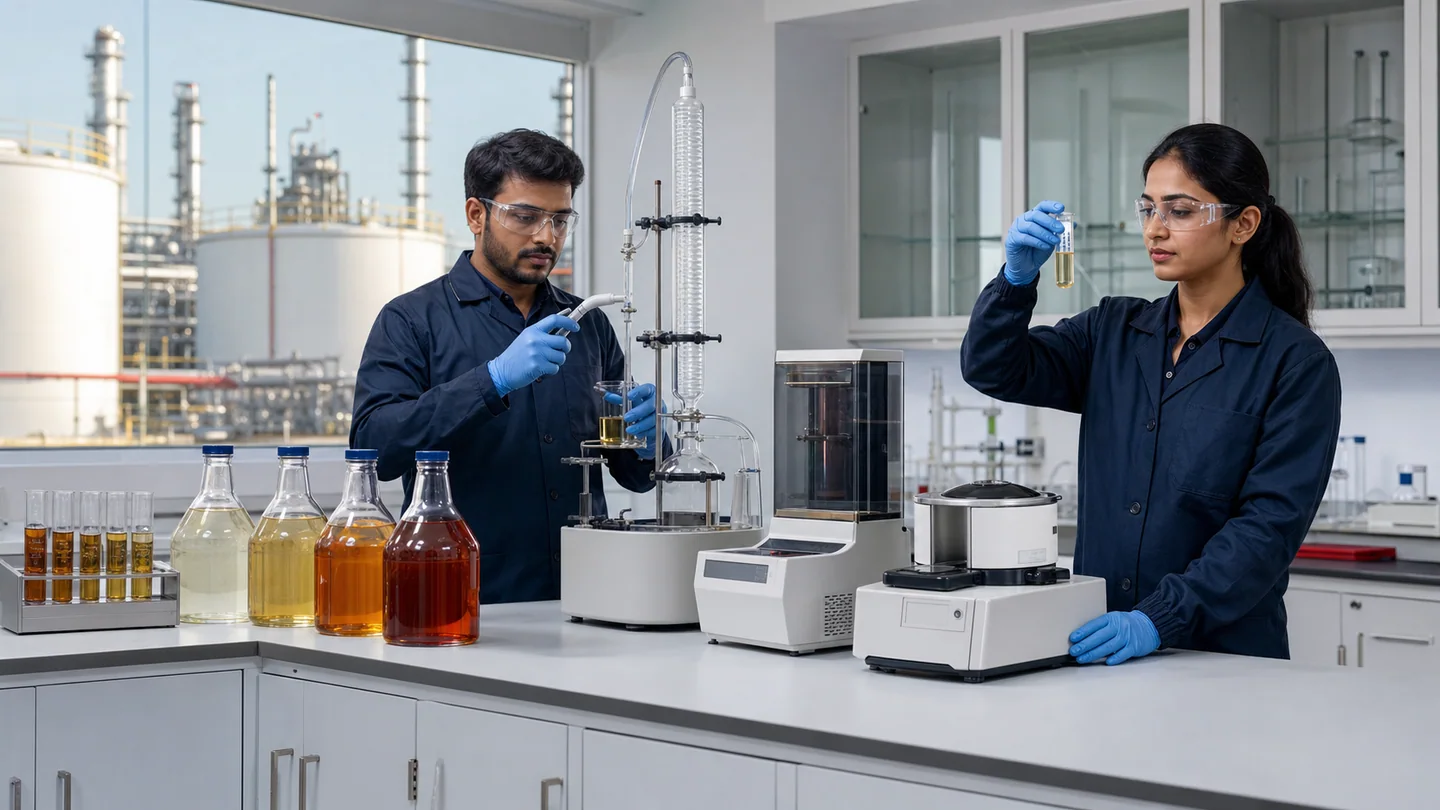
For liquid fuel, use the agreed running, all-level, upper/middle/lower or bottom method. For coal and briquettes, collect increments across the moving stream or distributed lot and combine them only when the agreed composite plan requires it.
Use a clean, dry and chemically compatible container confirmed by Chem-Tech. Keep products, tanks, compartments and sampling levels in separately labelled containers.
For receipt testing, sample at the defined custody or unloading stage. For stored fuel, use the agreed settling or circulation condition. For an investigation, keep suspected layers or points separate.
Quantity varies with fuel type and selected tests. Confirm the container count and minimum volume or mass with Chem-Tech before sampling.
Collection workflow
Record fuel grade, supplier, delivery or batch reference, tank or compartment and reason for testing.
Select the agreed spot, running, all-level, layer or composite method before opening the system.
Apply site PPE, ignition control, bonding and earthing requirements before handling flammable fuel.
Flush a line-sampling point into waste; do not submit the flush as the sample.
Collect each location or layer separately unless a documented composite is required.
Seal immediately, label the depth or point, record visible water or sediment and protect from heat.
Food & Agri Products
Define the food or agricultural product, lot or production batch and analytical objective before opening packs or taking increments.

For packaged lots, select unopened units from distributed positions. For bulk or heterogeneous material, take increments from multiple locations and depths with clean product-appropriate tools. Composite only when the agreed plan and test permit it.
Use clean, food-compatible, leakproof packaging. Use separate unopened sterile containers for microbiology and separate packaging for chemistry, shelf-life or retention samples.
Sample at the defined production, packing, storage, shelf-life or complaint stage. Arrange dispatch before sampling perishable or temperature-controlled products.
Mass, unit count and temperature condition depend on the matrix, parameters, repeats and retention needs. Confirm them with Chem-Tech before collection.
Collection workflow
Record product, grade, lot or batch, manufacturing and expiry details and required tests.
Set the number and distribution of primary units or increments before entering the lot.
Use cleaned utensils for chemistry and sterile tools and containers for microbiology.
Collect microbiology samples aseptically and keep them separate from other samples.
Seal immediately and label the exact lot, location, date and collector.
Maintain the agreed ambient, chilled or frozen condition during dispatch.
Water Testing
Identify the exact source, outlet and treatment stage. A result applies to that point and collection time—not automatically to the full water system.

Use the Chem-Tech bottle set for the selected parameters. At a tap, remove detachable fittings only when permitted, clean the outlet and flush to a stable condition. Collect microbiology, preserved chemistry and general chemistry bottles separately in the instructed order.
Use each supplied bottle only for its assigned parameter group. Never rinse or empty a preserved bottle, and keep microbiology bottles sterile and closed until collection.
Fix the courier and laboratory receipt plan before collection. Collect microbiology and time-sensitive parameters only when the confirmed holding time and temperature can be maintained.
Bottle type, number and volume depend on the complete parameter list and preservation needs. Obtain the prepared bottle set from Chem-Tech before collection.
Collection workflow
Label every bottle with source, point, treatment stage, date and time before collection.
Use the supplied bottle for its assigned group; never rinse a preserved or microbiology bottle.
Prepare and flush the outlet as instructed; reduce flow to avoid splashing and aeration.
Open the bottle only at collection and do not touch the cap interior or bottle mouth.
Fill to the bottle-specific instruction, cap immediately and place in the transport cooler.
Record field observations and dispatch within the confirmed holding time.
Product Compliance
Agree the product, component, homogeneous material or cleanliness area before removing a specimen from production.
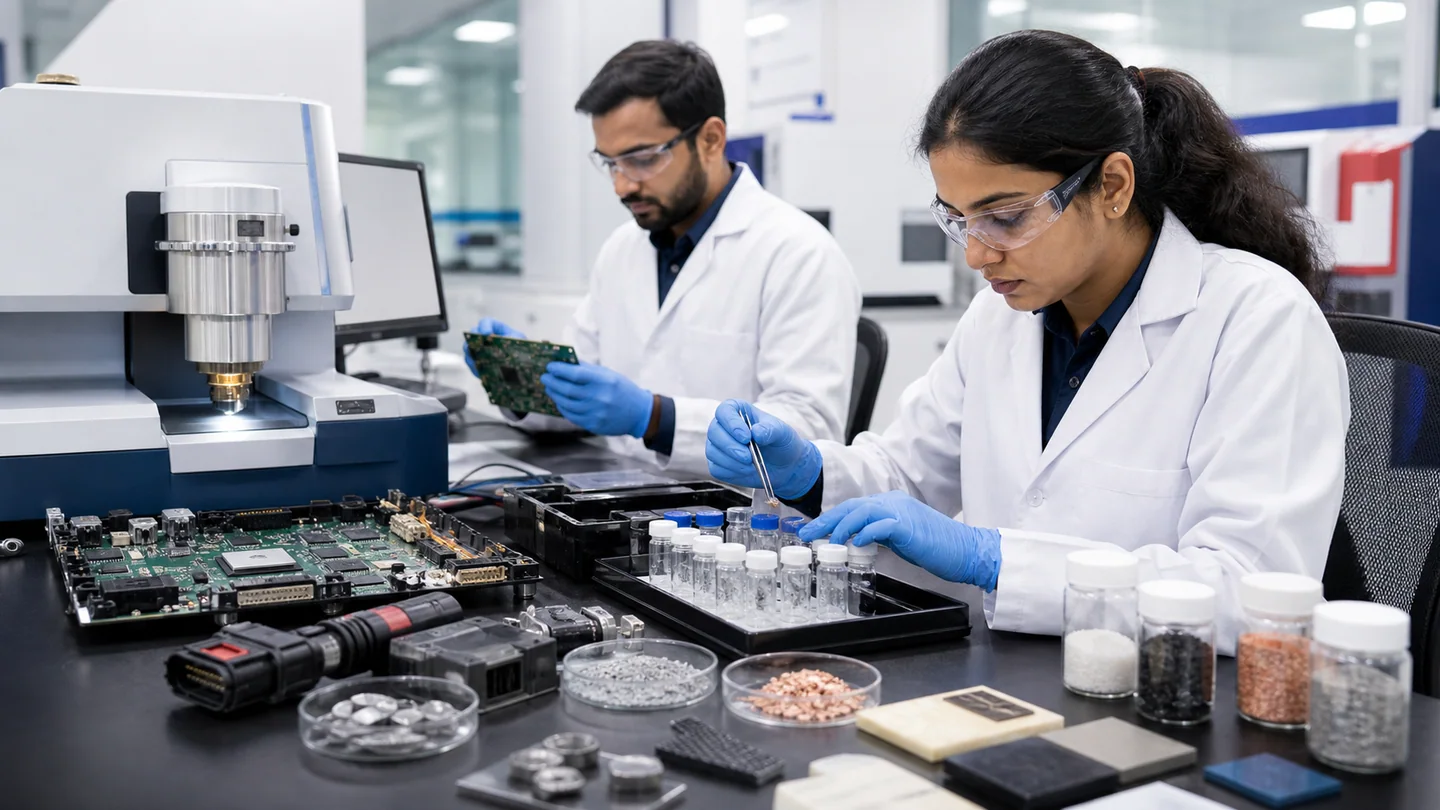
Use the drawing, bill of materials or customer specification to identify every material layer or controlled surface. Do not cut, clean or disassemble a specimen until Chem-Tech confirms the submission form.
Use clean protective packaging that prevents damage, abrasion, material loss and mix-up. Package each part number, material and controlled surface separately.
Collect at the agreed incoming, in-process, finished or post-cleaning stage. For cleanliness work, protect assessed surfaces immediately after the controlled process.
Unit count, material mass or exposed area depends on construction and test scope. Send drawings or a bill of materials for confirmation before dispatch.
Collection workflow
Provide part number, revision, material declaration, batch and applicable requirement.
Mark the exact homogeneous material, coating, joint, component or cleanliness surface.
Photograph and record the sampling location before cutting or removal.
Handle with clean powder-free gloves and tools that will not introduce the target residue.
Wrap and label every material or part number separately; preserve orientation where relevant.
Include the drawing, bill of materials and agreed test scope with the shipment.
Label and submission record
Clear sample context supports traceability and helps Chem-Tech review the requested scope. Provide all applicable information; do not rely on an unlabelled bottle or courier note alone.
Safety comes first
Do not sample from unsafe machinery, hot or pressurised systems, or moving equipment without the correct training, isolation controls, approved sampling hardware and personal protective equipment. Chem-Tech guidance does not replace your organisation's safety procedure.
Ready to collect your samples?