
Article section
Biofuel Testing
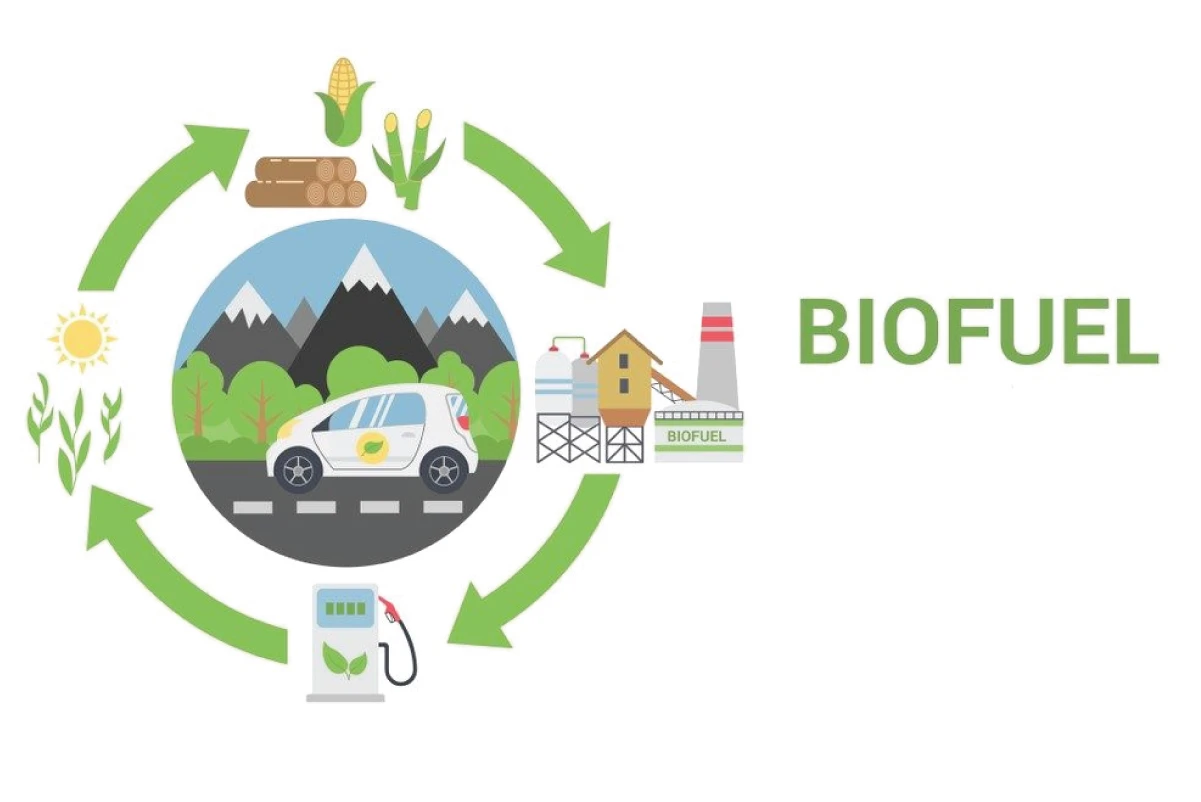
Chem-Tech Laboratories offer biofuel testing for a wide variety of industries. Biofuels are fuels that are derived or manufactured from biobased raw materials, MSW ( Municipal Solid Waste), Plastics, Rubber, Forestry residues, agricultural wastes, surplus food grains, etc.,
These fuels have huge potential to help the country like India fulfill objectives related to a reduction in dependency on fossil fuels and a reduction in pollution due to landfills.
In the current scenario, bioenergy is a fairly under-explored sector. Adopting biofuels as an alternative source of energy can significantly improve farmers’ income, generate employment opportunities, reduce imports, augment waste to wealth creation.
Article section
CLASSIFICATION OF BIOFUELS
1st generation biofuels are also called conventional biofuels. They are made from things like sugar, starch, or vegetable oil. Note that these are all food products. Any biofuel made from a feedstock that can also be consumed as human food is considered a first-generation biofuel.
2nd generation biofuels are produced from sustainable feedstock. The sustainability of a feedstock is defined by its availability, its impact on greenhouse gas emissions, its impact on land use, and its potential to threaten the food supply. No second-generation biofuel is also a food crop, though certain food products can become second-generation fuels when they are no longer useful for consumption. Second-generation biofuels are often called “advanced biofuels.”
3rd generation biofuels are biofuel derived from algae. These biofuels are given their own separate class because of their unique production mechanism and their potential to mitigate most of the drawbacks of 1st and 2nd generation biofuels.
Article section
PRODUCTS TESTED BY CHEM-TECH LABORATORIES
- Biodiesel
- Pyrolysis Fuel ( Plastics & Rubber )
- Drop-in Fuels
- BioEthanol
Article section
BIOFUEL TESTING FACILITY AS PER FOLLOWING STANDARDS
- IS 15607 ( B 100) – 100% Biodiesel
- EN 14214 ( B 100) – 100% Biodiesel
- ASTM D 7467 ( B6 to B 20) – Upto 20% Biodiesel
- ASTM D 6751 ( B 100) – 100% Biodiesel
- ASTM D 5798 – Ethanol Blended Fuel (Ed75- Ed85)
- ASTM D 7544 – Pyrolysis Liquid Biofuel
- ASTM D 4806 – Denatured Fuel Ethanol for blending
Apply this guidance