
Technical perspective
Fuel contamination can be devastating for a business and the environment. In most cases, it is a result of poor storage, transport, handling practices and more. The most common way to reduce fuel contamination is by taking precautionary measures such as ensuring that tanks are not overfilled and that all equipment used for fueling is properly maintained. However, it does not guarantee fresh and good-to-use fuel. You must choose fuel quality testing measures to ensure the fuel is ideal for use in your industry or customer supply.
Chem-Tech emphasizes the need for fuel testing as per regulatory standards such as ASTM, ISO, EN and IP standards. It is important to know that even fuels like Diesel, Biodiesel or Biofuel need testing before usage or sale. Let’s understand these fuels and the sources of contamination.
DIESEL VS BIODIESEL VS BIOFUEL
DIESEL
Diesel is refined from crude oil. The petroleum (also made from crude oil) undergoes a refining process known as fractional distillation to obtain diesel. Fresh diesel fuel looks clear transparent & fluorescent yellow.
BS VI Diesel (IS 1460) – B7 Fuel
IS 1460 Specification
- Density: 810-845 kg/m3
- Viscosity @40 deg. C (KV): 2 – 4.5 cSt.
- Flash point: Min 35 deg C.
- Ester content: Upto 7% (Biodiesel Content)
BIODIESEL
Biodiesel is a liquid fuel manufactured from plant base substances
such as Jatropha, Sunflower, Palm, etc. It is a renewable alternative to diesel and can be used in most diesel engines. Fresh Biodiesel
(B100) looks golden yellow (Dark yellow).
Biodiesel (IS 15607) – B100 Fuel
IS 15607 Specification
- Density: 860-900 kg/m3
- Viscosity @40 deg. C (KV): 2.5 – 6 cSt.
- Flash point: Min 120 deg C.
- Ester content: Min 96.5% (Biodiesel Content)
BIOFUEL
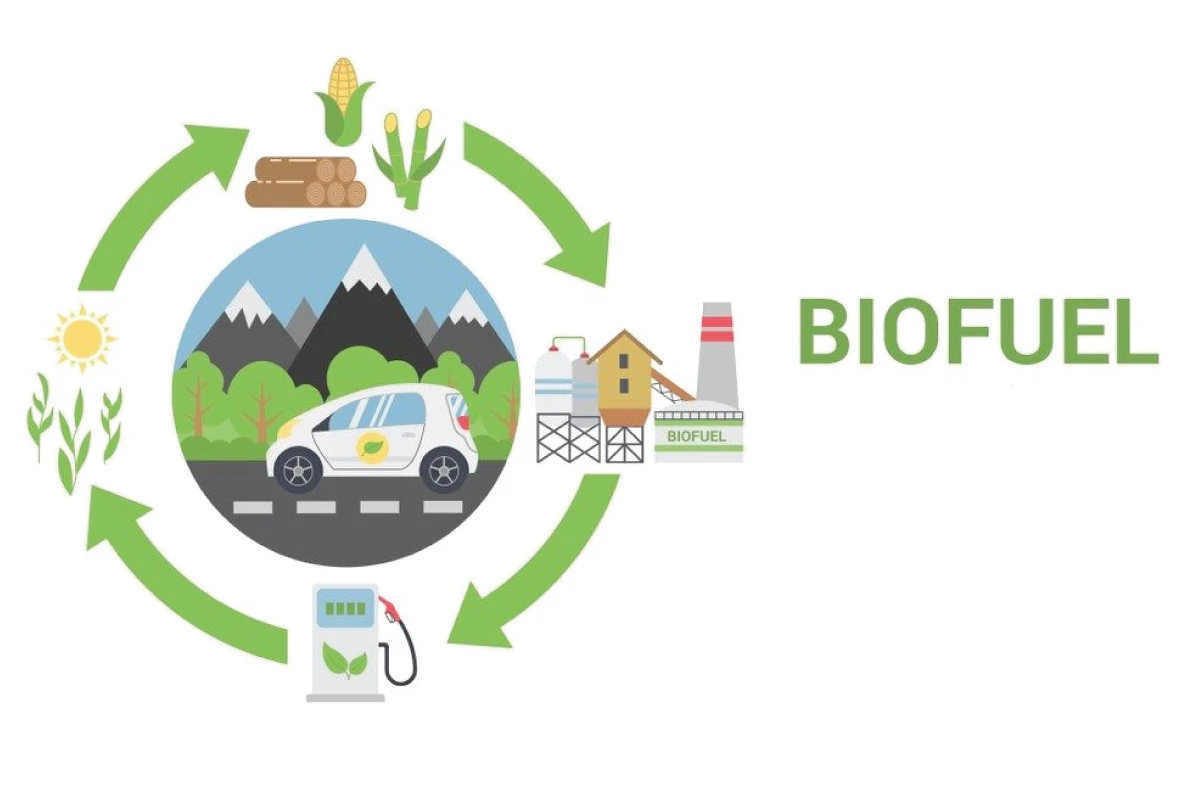
Biofuel is a category of fuels derived from plant sources or fuels which are produced from waste materials. It is cheaper as compared to diesel and is often used for cost-cutting. Fuel-blend acceptability depends on the current applicable regulation, product standard and OEM requirement; verify those sources for the identified engine and fuel.
Currently, products being sold as biofuel includ e:
- A mixture of Oils + Turpentine
- A mixture of Pyrolysis Oil + Diesel
- A mixture of Waste Solvents + Diesel
SOURCES OF FUEL CONTAMINATION
The fuels can be contaminated by Kerosene, Solvents, Lube Oil, Base Oil, Turpentine or Microbial Growth. The sources of contamination include suppliers, middlemen, diesel storage tanks and diesel storage yards I/C. Hence, you cannot be sure about fuel quality without testing it.
Many times contaminated Diesel is sold in the market as fresh Biodiesel. Apparently, the contaminated Diesel turns into a darker shade of yellow, which is similar to the fresh Biodiesel colour, and hence this could mislead the buyers. Check the below samples.
BENEFITS OF FUEL TESTING
- Determine the cause of failures in the field.
- Analyse if the customer is using the right kind of fuel.
- Determine the suitability of the fuel for Engines with SCR.
- Determine fuel compliance with global standards.
- Determine fuel compliance to requirements of Fuel Injection Systems, Engine components, SCR etc.
- Set up SOPs for testing of fuel in case of failures & warranties.
- Compare part’s life with the fuel quality being used.
- Gather data to be used to develop better quality parts and tools.
- Support R&D to determine the probable cause of fuel contamination in the field.
RECOMMENDED TESTS (BASIC TESTS)
- Appearance
- Kinematic Viscosity
- Density
- Water Content
- Fuel Cleanliness (Particle Count)
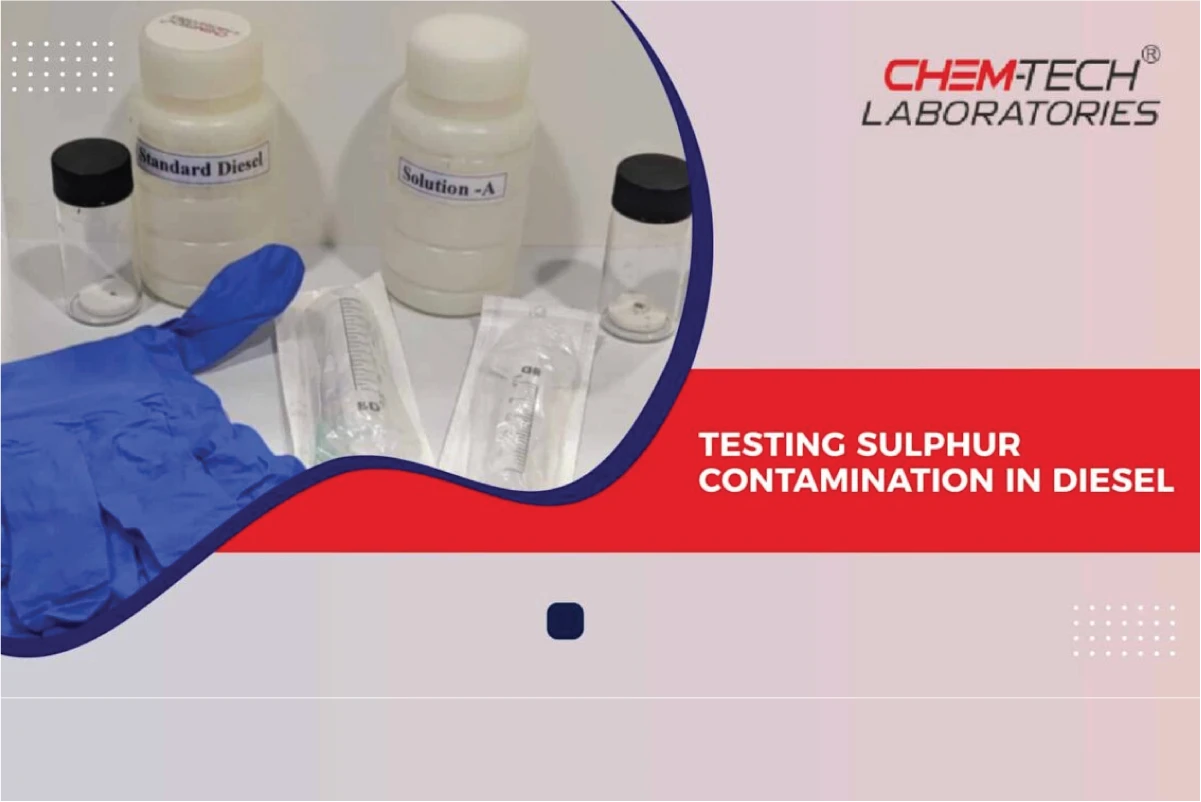
- Sulphur Content
- Chlorine Content
- Distillation Recovery
- Cetane Index
- Flash Point
- FAME Content (Biodiesel Content)
Selecting a fuel-testing scope
Chem-Tech Laboratories provides fuel testing services. We test a wide range of fuels for quality specifications. Our experienced chemists and advanced technology ensure our clients get accurate results quickly and efficiently. We also offer different fuel quality monitoring programs as per compliance with global test specifications, helping our clients maintain ROI. Get in touch to learn more about our Fuel Testing Services and Programs and request a quote!
Apply this guidance