
Overview
What is herbs, spices & condiments testing?
India-wide herbs, spices & condiments testing coordinated in Pune, Maharashtra. Confirm the sample, scope and reporting requirement with Chem-Tech.
The final parameter set, analytical method and sample requirement are confirmed against the product type, applicable specification and testing objective.
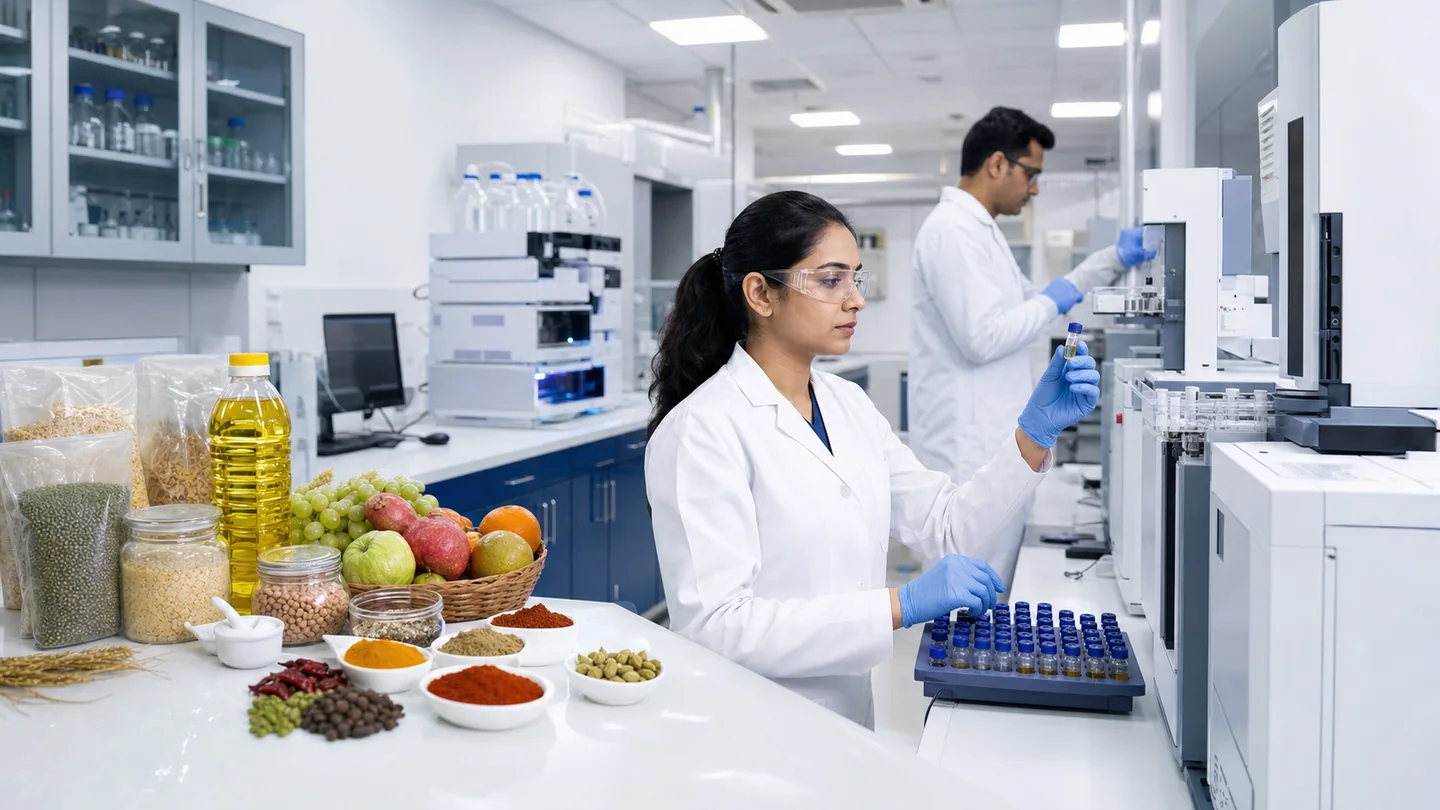
Product coverage
Products and matrices covered
Whole spices
Powdered spices
Mixed masala
Culinary pastes
Dried herbs and seasonings
Detailed coverage
Product groups and examples
Whole spices
Cardamom, chilli, cinnamon, cloves, coriander, cumin, fennel, fenugreek, ginger, mace, mustard, nutmeg, pepper, poppy, saffron and turmeric
FSSAI 2.9Powdered spices
Ground individual spices, curry powder and blended spice powders
FSSAI 2.9Mixed masala
Whole mixed masala, kanda-lasun masala, garam masala and kitchen king masala
FSSAI 2.9.20Culinary pastes
Ginger, garlic, ginger-garlic, bhuna masala and tamarind paste
Dried herbs and seasonings
Oregano, sage, thyme, basil, rosemary, aamchoor, chaat masala, hing and kasuri methi
Testing scope
Related analytical services
Select the analysis relevant to the product, applicable requirement and decision the report must support.
Technical Testing Parameters
The following parameters describe product-specific testing considerations. Test availability, method suitability and accredited coverage are confirmed against the sample and specification before quotation.
- Spices: moisture; total ash; acid-insoluble ash; volatile oil; curcumin in turmeric; piperine in pepper; capsaicinoids in chilli where required; extraneous matter.
- Sauces/salt/proteins: pH; acidity; salt; total solids; protein; iodine in iodised salt; permitted preservatives and colours; water activity as relevant.
- Microbiology: Salmonella spp.; Escherichia coli; aerobic colony count; yeast and mould; Bacillus cereus in relevant mixes; Listeria monocytogenes for appropriate refrigerated ready-to-eat products.
- Contaminants and authenticity: Aflatoxin B1/total aflatoxins and ochratoxin A for susceptible spices; lead/cadmium/arsenic as specified; commodity-specific pesticides; Sudan dyes; lead chromate investigation in turmeric; ethylene oxide and 2-chloroethanol for applicable destination requirements.
Select the applicable subset; these are not universal mandatory tests or a statement that every listed test is within the laboratory’s accredited scope.
Regulatory Standards & Compliance
Product mapping: 2.9; applicable 2.3 provisions for tomato/fruit products; Appendix A group 12.
Read the Food Safety and Standards (Food Products Standards and Food Additives) Regulations, 2011 as amended, together with the product-specific criteria. Apply the current Contaminants, Toxins and Residues Regulations, 2011 and Labelling and Display Regulations, 2020 where relevant.
For microbiology, identify the applicable Appendix B table, sampling plan and test portion. For additives, confirm the correct Appendix A classification and any product-specific restrictions. FoSCoS licensing identifiers are not equivalent to product-standard clauses.
Export limits depend on the destination, commodity and residue definition. Confirm the applicable MRL, reporting limit and effective date. BIS product standards, export certification and laboratory recognition require separate verification; a test report does not itself confer regulatory approval.
Sample Requirements & TAT
Keep spice powders dry and sealed; chill perishable sauces and soups as labelled.
Confirm the required quantity, number of unopened units, containers and transport conditions with the laboratory before dispatch. Chemistry portions and sterile microbiology portions may need separate containers; a composite cannot automatically replace an n-unit sampling plan.
Provide the product designation, ingredient list, processing state, batch identity, storage instructions, target market and required specification. Turnaround is confirmed in the quotation after the scope is agreed. Shelf-life, challenge and specialist investigations require a separate study schedule.
Technical FAQs
Does total ash establish spice authenticity?
No. Use the relevant botanical identity and composition measurements, with adulterant investigations selected for the risk.
Is ethylene oxide universally required for every Indian spice batch?
No. Determine its applicability from the market, buyer and current commodity requirement.
Can soup powder and ready-to-eat soup share one panel?
No. Water activity, processing and intended use differ; define matrix-specific microbiology and storage controls.
Discuss your requirement